
Where it is
Plainfield Charter Township is in Kent County, Michigan, immediately north of Grand Rapids and part of the Grand Rapids metro area.
Plainfield
This page gives basic context for reading local issues in Plainfield Charter Township: where the township sits, what kind of place it is, how township government is structured, and which boards and committees matter most in the public record.
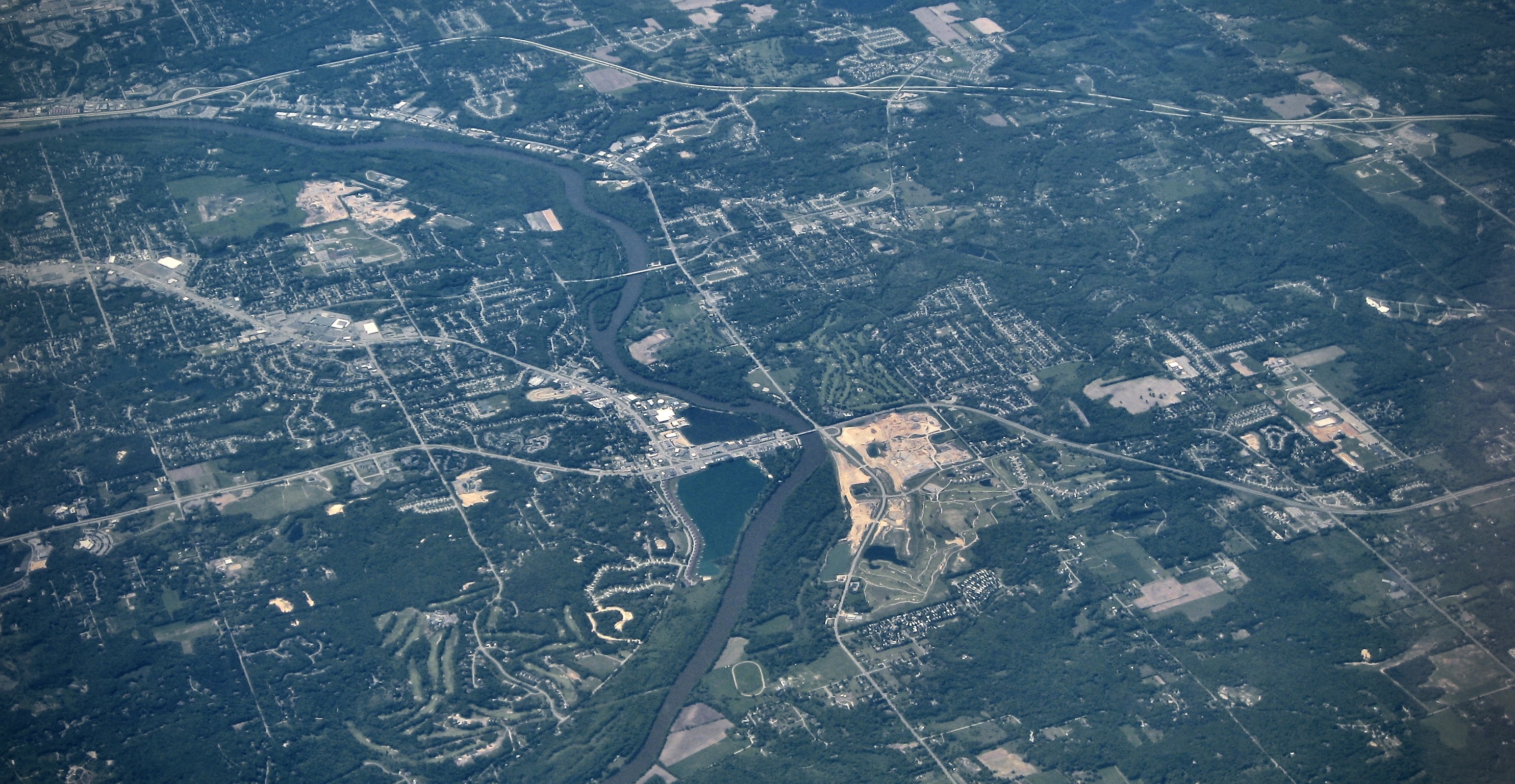
Plainfield Charter Township is in Kent County, Michigan, immediately north of Grand Rapids and part of the Grand Rapids metro area.
The township covers about 36.7 square miles and had a 2020 census population of 33,535.
The Grand River runs along the southern portion of the township, and the Rogue River flows into it within the township.
US-131 runs through the western portion of the township and M-44 runs north-south through the eastern side.
Belmont, Northview, and part of Comstock Park are within Plainfield Township, along with several smaller historic settlements.
Because the township includes suburban neighborhoods, river corridors, commercial areas, and growth corridors, issues here often involve roads, land use, flooding, parks, and corridor redevelopment.
Plainfield is a charter township, not a city. In practical terms, that means many local decisions are handled through township government: an elected township board, township ordinances, township committees, and township-appointed bodies such as the Planning Commission and Zoning Board of Appeals.
If a topic on Civic Desk involves a zoning change, a development policy, a township facility, flooding, public safety funding, parks, or a new ordinance, it will often move through one or more of those township bodies before anything becomes final.
Plainfield is not just an administrative boundary. Its river corridors, road network, commercial strips, residential growth areas, and older settlement patterns all shape what kinds of local issues keep coming back. In practical terms, that means geography often helps explain the public record.
The Grand River and Rogue River matter for more than scenery. They affect flooding risk, stormwater questions, utility planning, road conditions, environmental constraints, and where development pressure can create friction. A proposal involving drainage, floodplain property, access, trails, or infrastructure is often easier to understand if you picture the township as a landscape with river edges and connected corridors, not just a list of parcels.
The township also includes a mix of long-established communities, suburban neighborhoods, major travel routes, and redevelopment areas. That helps explain why one meeting packet may touch parks and trails, while another focuses on corridor redevelopment, access rules, fire facilities, or road funding. The local geography creates different pressures in different parts of the township.
The main governing body is the Board of Trustees. It has seven elected members: the Supervisor, Clerk, Treasurer, and four trustees. The Board handles the township’s main legislative and policy work. That includes passing ordinances, adopting the budget, appointing boards and committees, and hiring the Township Superintendent.
Board members are elected to four-year terms in the November general election during presidential-election years. In day-to-day terms, if a matter on this site involves final board action, budget approval, an ordinance amendment, or a major township policy choice, the Board of Trustees is usually where that action lands.
Usually the final decision-maker for ordinances, budgets, appointments, many contracts, and broad township policy.
Handles administration and operations, works across committees, and brings recommendations and policy proposals to the Board.
Reviews planning and land-use matters and is often an earlier stop before some items move to the Board.
Handles variances and zoning appeals when someone is asking for an exception from an existing zoning rule.
Plainfield uses a mix of formal boards, authorities, and advisory committees. Some are permanent, some are narrow and temporary, and not all of them have the same authority.
The township’s own board policy distinguishes between three types of committees:
The important practical point is that these committees are advisory. They can study, discuss, and recommend, but they do not act with independent township authority. Final action still goes back through the Board or another authorized body.
In addition to the Board of Trustees, Plainfield residents will see references to bodies such as the Planning Commission, Zoning Board of Appeals, Board of Review, Brownfield Redevelopment Authority, Plainfield Avenue Corridor Improvement Authority, Comstock Park DDA, Construction Board of Appeals, and the Parks and Recreation Advisory Committee.
These bodies do different kinds of work. Some focus on land use or tax matters. Some are tied to specific districts or economic-development tools. Some are advisory and citizen-facing. Civic Desk tracks issues at the issue level so residents do not have to already know which public body handled which step.
The township’s 2022–2026 strategic plan points to the kinds of topics likely to keep appearing in meeting records. The plan is organized around four broad goals:
That strategic context helps explain why some issues show up repeatedly on this site: flood mitigation, public infrastructure, corridor redevelopment, parks and trails, emergency access rules, and township facility plans are not random one-off topics. They fit larger stated priorities.
Local decisions often move in stages. A proposal may first appear in a packet or memo, return later for a first reading, then come back again for a second reading, a postponement, a committee recommendation, a final vote, or a related implementation step.
That is why Civic Desk tracks the issue over time instead of treating every agenda entry as a separate story. The point is to keep the record readable even when the government process itself is spread across multiple meetings and bodies.
Plainfield is served by multiple school districts, includes both residential neighborhoods and major travel corridors, and borders several neighboring jurisdictions. Those facts matter because intergovernmental issues, corridor planning, road funding, flooding, and growth pressures often show up in the local record with more than one agency involved.
In short: if a Plainfield issue seems to involve not just the township but also Kent County, the Road Commission, a sewer authority, state agencies, or a neighboring community, that is normal for how local problems are often structured here.